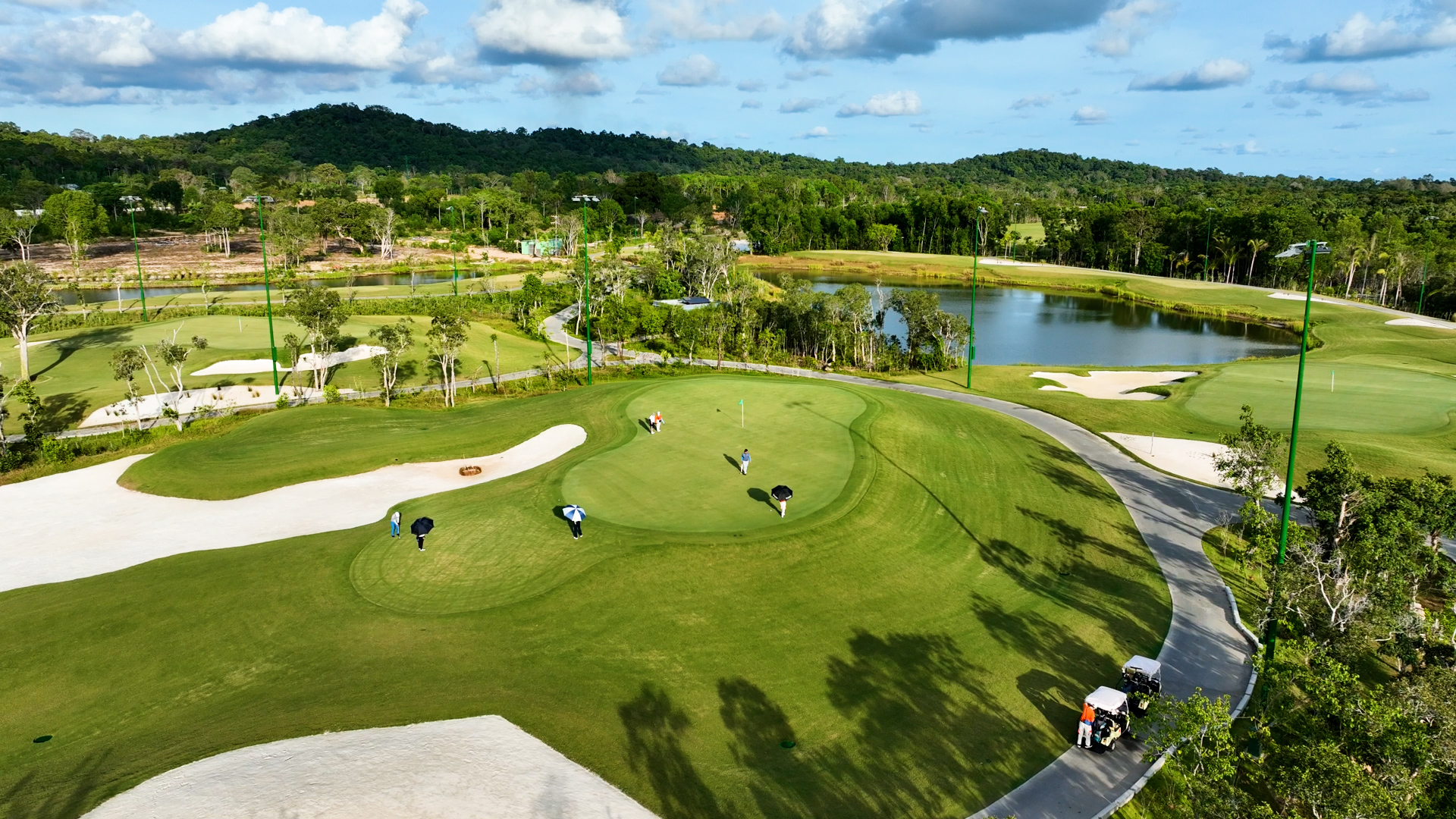
Phu Quoc taps into growing trend for destination-led golf tourism
For years, many golf holidays were built almost entirely around the courses themselves. Itineraries tended to be intensive, with golfers playing 18 to 36 holes a day before quickly moving on to the next course or destination.
That model, however, is gradually changing as off-course experiences play an increasingly important role in determining where golfers choose to travel.
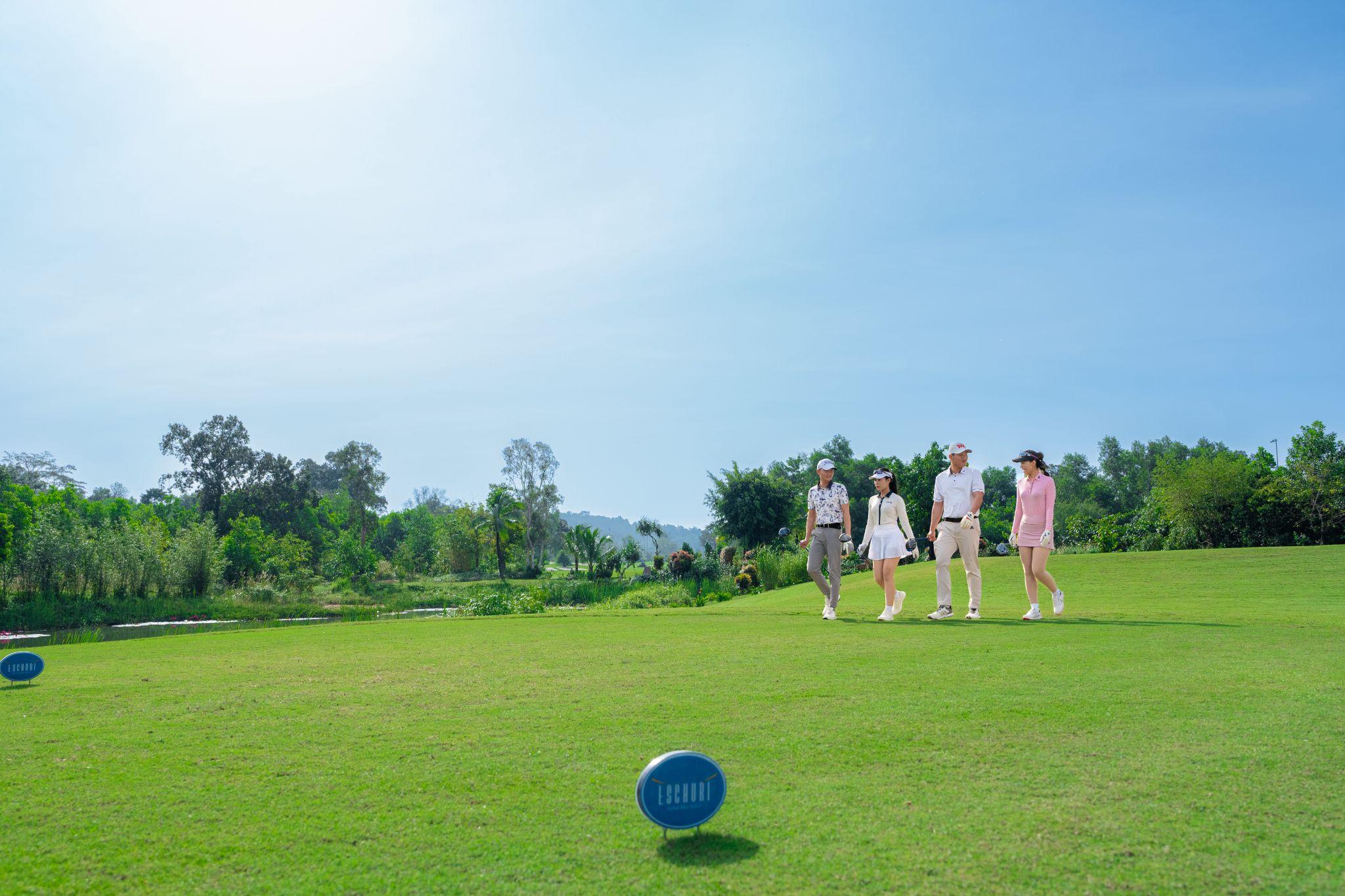
Golf tourism is shifting away from course-focused itineraries towards trips that combine the game with resort stays, dining and broader destination experiences.
According to a 2026 study conducted by 18Players in partnership with the International Golf Travel Market, 78.9% of surveyed golfers said they preferred destinations where golf could be combined with lifestyle experiences. Meanwhile, 56.3% placed particular value on factors such as wellness, natural scenery and local culture.
The shift has brought growing attention to the concept of destination-led golf tourism. A golf course is no longer viewed as a standalone product, but as one element of a wider holiday experience. The value of a trip is therefore shaped not only by the quality of the course, but also by its scenery, accommodation, cuisine, connectivity and the distinctive experiences offered by the destination.
With its tropical climate, extensive coastline, expanding accommodation network and increasingly diverse entertainment offering, Phu Quoc is well positioned to tap into this segment.
Eschuri Vung Bau Golf, located in Vung Bau Beach on the island, is one example of a course developed with the aim of incorporating Phu Quoc's distinctive landscapes directly into the golfing experience.
18 holes inspired by Phu Quoc's distinctive landscapes
Designed by IMG and invested in, developed and operated by Sun Group, the 18-hole course unfolds as a journey from tropical forest to the coast.
Rather than repeating the same type of scenery throughout the round, the course is divided into two contrasting halves, each with different terrain, views and strategic demands.
Across the opening nine holes, golfers play through a setting framed by dense woodland. Mature trees positioned along the fairways are incorporated into the course's strategic design, requiring players to carefully consider both tee-shot direction and their approach to the green.
Narrower sightlines and the enclosed terrain place a greater premium on accuracy than sheer distance.
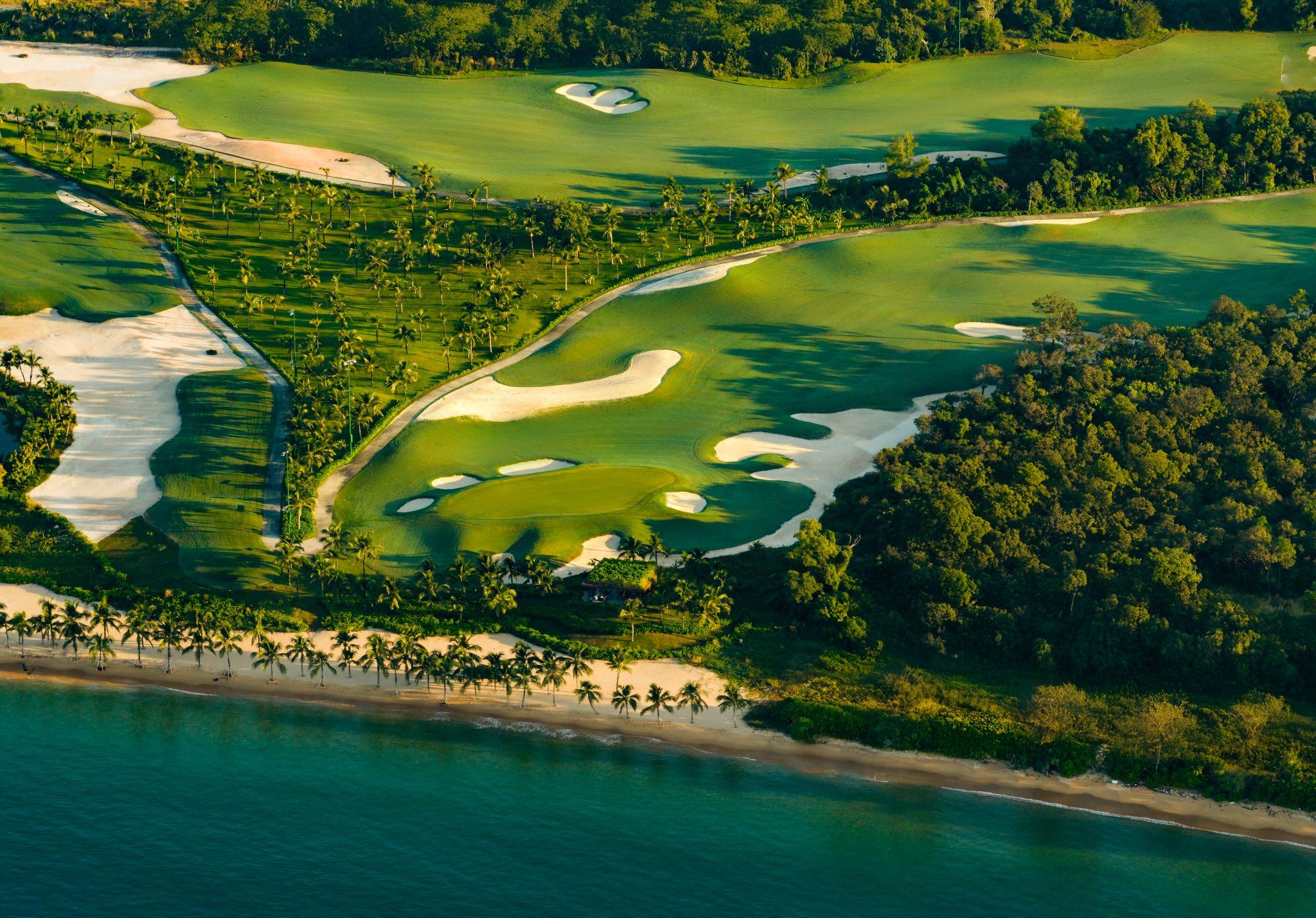
The international-standard 18-hole course stretches 7,508 yards across more than 65 hectares and is designed as a journey “from forest to sea”.
From the 10th hole onwards, the landscape changes noticeably. The course opens out towards the Gulf of Thailand, sandy areas become more prominent and sea breezes begin to have a direct influence on ball flight.
The transition is not only visual; it also requires golfers to adapt their game between the two halves of the course.
While the forest holes reward control and careful positioning, the seaside section presents a different set of challenges, with players having to account for wind strength, trajectory and landing areas.
The layout allows golfers to experience the changing character of northwestern Phu Quoc's terrain within a single round.
Holes 14 and 15 provide some of the clearest expressions of the course's coastal setting. The 14th plays towards the sea, with the green positioned close to the shoreline. It is also one of the most expansive viewpoints at Eschuri Vung Bau Golf, particularly towards the end of the day.
The following 15th hole presents another challenge in the form of a large sandy area. Golfers can choose a more aggressive line to shorten the hole or opt for a safer route at the cost of a longer approach shot.
Water hazards and bunkers across the closing holes ensure that strategic decision-making remains important until the end of the round.
The combination of different terrain within a single routing is one of Eschuri Vung Bau Golf’s most distinctive characteristics.
Golfers are required not only to adjust their strategy from hole to hole, but also to move through a sequence of landscapes characteristic of Phu Quoc - from tropical woodland to sandy terrain and the island's western shoreline.
The potential of golf tourism
Golf tourism is widely regarded as a segment with strong revenue potential for destinations, as golfers tend to have relatively high spending power and make use of a broad range of supporting services.
But a golf course alone is rarely enough to persuade these travellers to stay longer. Destinations also need accommodation, dining, wellness, transport and entertainment options of a comparable standard.
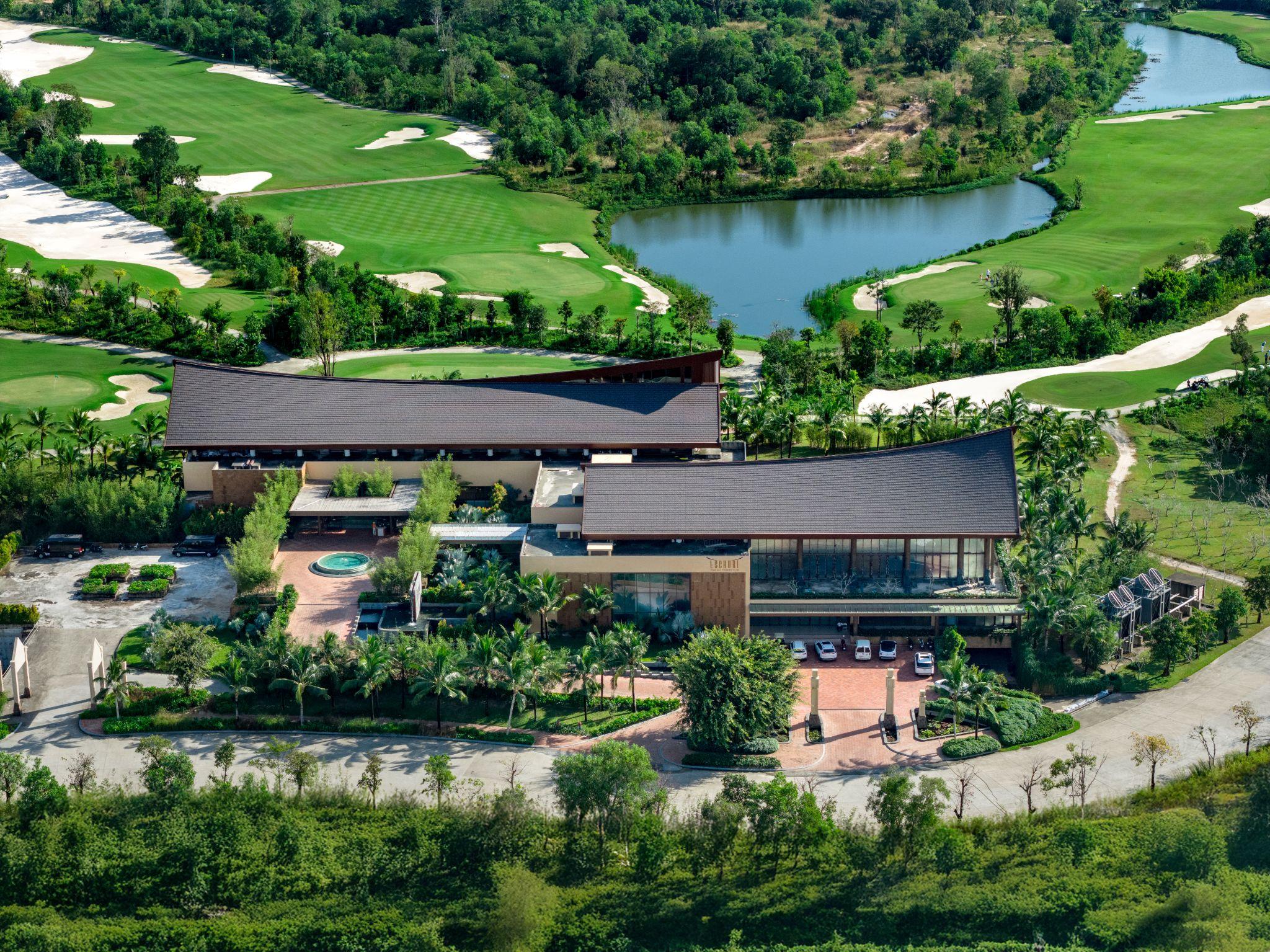
The clubhouse at Eschuri Vung Bau Golf extends the experience beyond the final hole, with views across the course as well as dining, relaxation and recovery facilities.
At Eschuri Vung Bau Golf, the experience continues after the round at the clubhouse.
Large glass panels provide views across the course, while elements inspired by Vietnamese architecture are incorporated into the interiors. The lobby, for example, draws inspiration from the traditional three-entrance gate, or tam quan, while the restaurant introduces elements of Hue cuisine.
Sauna, steam room and Jacuzzi facilities are also provided to help golfers relax and recover after a round.
The approach reflects a broader shift in how golf courses are being positioned: not simply as places to compete or practise, but as integral components of a wider resort experience.
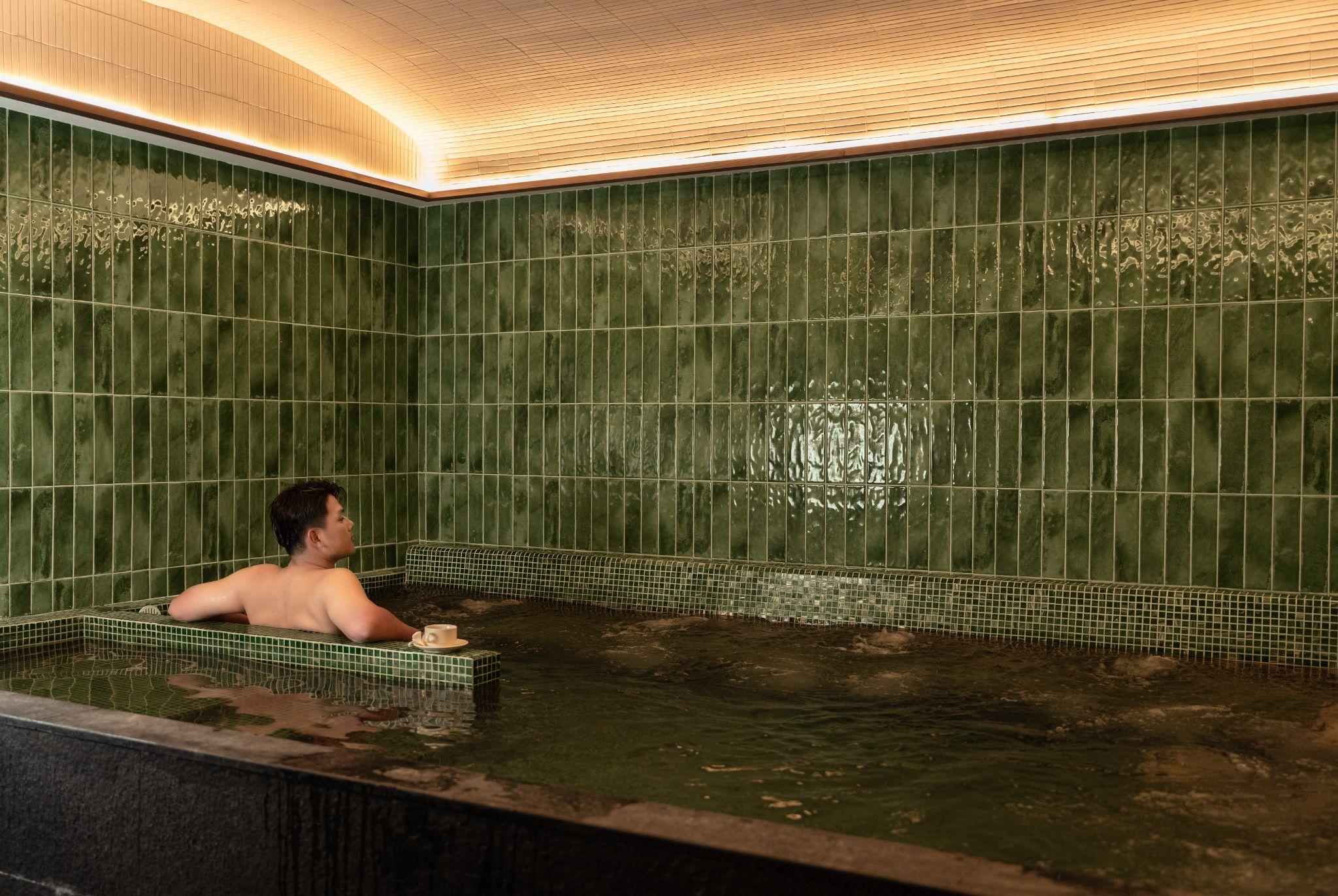
Sauna, steam room and Jacuzzi facilities are designed to help golfers relax and recover after their round.
On a broader scale, the development of golf products that integrate local landscapes and destination services could help Phu Quoc diversify its visitor base, particularly among high-spending international travellers.
These visitors are also more likely to stay for longer periods when golf is combined with beach holidays, dining, wellness and family activities.
Seen from this perspective, a round at Eschuri Vung Bau Golf is designed to do more than test a golfer's technical ability.
The journey across its 18 holes also serves as an introduction to Phu Quoc's landscape through the language of golf - beginning in the forest, gradually moving towards the sea and continuing into resort and leisure experiences after the final hole.
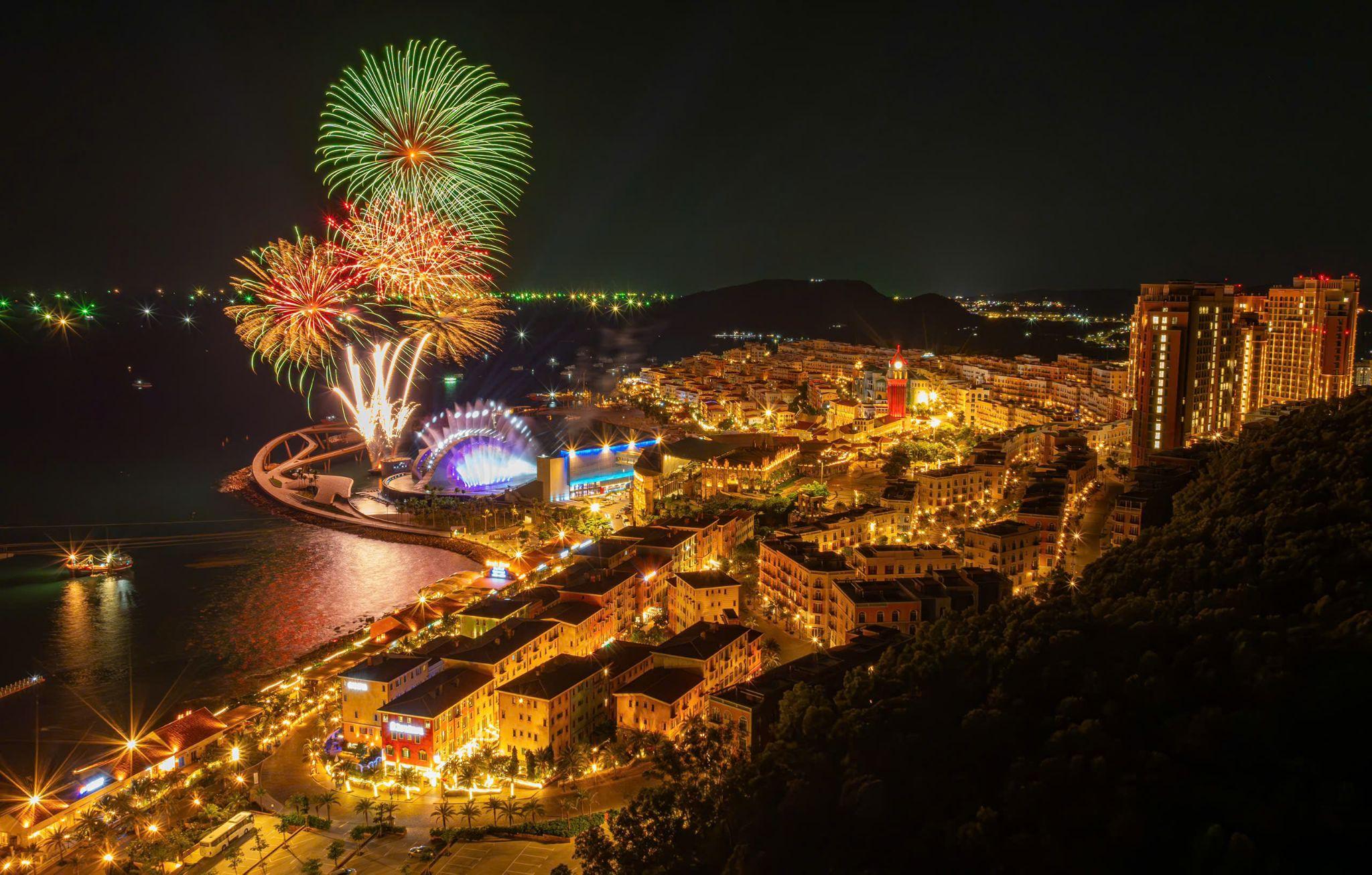
After a challenging round of golf, visitors can unwind with tourism and entertainment experiences in southern Phu Quoc, including nightly shows and fireworks displays.
This reflects one of the most notable directions in golf tourism today: value is no longer measured simply by the number of holes a golfer completes, but by how long visitors stay, the services they use and the depth of their engagement with the destination.
For Phu Quoc, golf could therefore become an important part of efforts to expand the high-end visitor market and increase the value generated by each trip.